
What is omnichannel customer service? A 2026 guide
Table of Contents
- Introduction: Why Omnichannel Customer Service Matters in 2026
- What Is Omnichannel Customer Service?
- Omnichannel vs Multichannel vs Cross-Channel
- How Omnichannel Customer Service Works
- Why Omnichannel Customer Service Is Critical in 2026
- Key Benefits of Omnichannel Customer Service
- Common Omnichannel Customer Service Channels
- Real-Life Examples of Omnichannel Customer Service
- Omnichannel Customer Service for Small Businesses
- Omnichannel Customer Support Strategy (Step-by-Step)
- Best Tools & Software for Omnichannel Customer Service
- Role of AI in Omnichannel Customer Service (2026 Trends)
- Challenges in Omnichannel Customer Service (and Solutions)
- Omnichannel Customer Service Metrics & KPIs
- Future of Omnichannel Customer Service
- FAQs
- Final Thoughts
1. Introduction: Why Omnichannel Customer Service Matters in 2026
In 2026, customers no longer think in terms of channels—they think in terms of experiences.
A customer might:
- Discover your brand on Instagram
- Ask a question on WhatsApp
- Visit your website
- Make a purchase through an app
- Request support via live chat
- Follow up by email
And they expect everything to be connected.
This is where omnichannel customer service becomes essential.
Businesses that fail to deliver seamless support across channels risk:
- Losing customer trust
- Lower retention rates
- Negative online reviews
- Reduced lifetime value
In contrast, brands with strong omnichannel customer service:
- Deliver faster resolutions
- Build stronger relationships
- Increase customer loyalty
- Outperform competitors
2. What Is Omnichannel Customer Service?
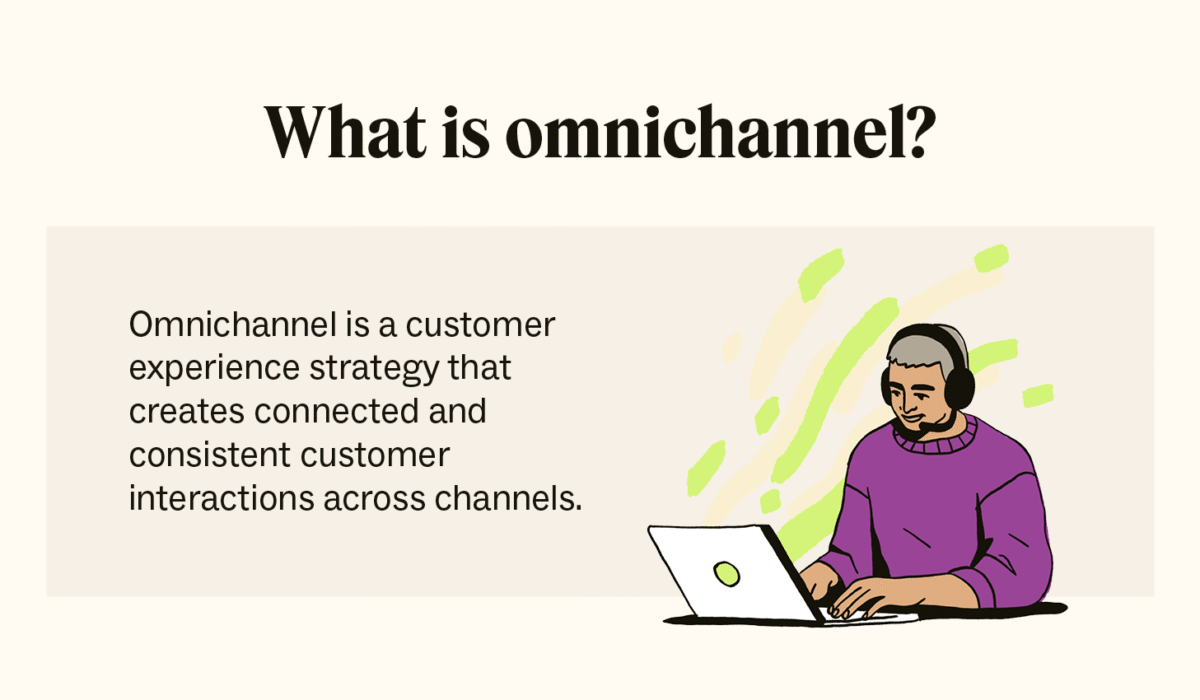
Omnichannel customer service is a customer support approach where all communication channels are fully integrated, allowing customers to move seamlessly between channels without repeating information.
Simple Definition:
Omnichannel customer service ensures a consistent, connected, and personalized support experience across all channels—online and offline.
Key Characteristics:
- Unified customer data
- Context-aware conversations
- Seamless channel switching
- Consistent brand voice
- Personalized responses
For example:
A customer starts a chat on your website, continues the conversation on WhatsApp, and later calls support—without explaining the issue again.
That’s omnichannel.
3. Omnichannel vs Multichannel vs Cross-Channel
Many businesses confuse these terms. Let’s simplify.
Multichannel Customer Service
- Multiple channels exist (email, phone, social media)
- Channels operate independently
- No shared customer history
❌ Fragmented experience
Cross-Channel Customer Service
- Some integration between channels
- Partial data sharing
- Limited continuity
⚠️ Better, but still inconsistent
Omnichannel Customer Service
- All channels fully integrated
- Shared customer profiles
- Continuous conversation history
✅ Seamless and customer-centric
Omnichannel is the most advanced and future-ready approach.
4. How Omnichannel Customer Service Works
Omnichannel customer service relies on technology + process + people.
Core Components:
- Centralized CRM
- Unified inbox
- Customer data synchronization
- Automation & AI
- Trained support teams
Behind the Scenes:
- Every interaction is stored in a single customer profile
- Agents see previous conversations instantly
- AI suggests responses and actions
- Customers experience continuity
5. Why Omnichannel Customer Service Is Critical in 2026
Customer behavior in 2026 is shaped by:
- Mobile-first usage
- Instant messaging culture
- Social commerce
- AI-powered personalization
Key Statistics (Industry Benchmarks):
- Customers use 3–5 channels per journey
- 90% expect consistent service across platforms
- Omnichannel customers have higher lifetime value
- Faster resolution leads to higher satisfaction
Ignoring omnichannel in 2026 is no longer an option—it’s a risk.
6. Key Benefits of Omnichannel Customer Service
1. Improved Customer Experience
Customers enjoy frictionless interactions without repeating themselves.
2. Faster Resolution Times
Agents have full context, reducing handling time.
3. Higher Customer Retention
Satisfied customers stay longer and spend more.
4. Increased Customer Loyalty
Consistency builds trust and emotional connection.
5. Better Agent Productivity
Unified systems reduce confusion and manual work.
6. Stronger Brand Reputation
Positive experiences lead to better reviews and referrals.
7. Common Omnichannel Customer Service Channels
An effective omnichannel strategy connects all major touchpoints.
Digital Channels:
- Website live chat
- Email support
- Social media (Instagram, Facebook, X, LinkedIn)
- WhatsApp Business
- SMS & messaging apps
- Mobile apps
Traditional Channels:
- Phone calls
- In-store support
- Call centers
All these channels feed into one unified system.
8. Real-Life Examples of Omnichannel Customer Service
Example 1: E-commerce Brand
- Customer asks product question on Instagram
- Adds item to cart on website
- Receives abandoned cart reminder via email
- Completes purchase on mobile app
- Gets order updates via WhatsApp
All interactions are connected.
Example 2: Banking & Finance
- Customer reports issue via mobile app
- Support agent calls with full context
- Follow-up email confirms resolution
Example 3: SaaS Company
- User chats with chatbot
- Escalates to human agent
- Receives personalized onboarding emails
9. Omnichannel Customer Service for Small Businesses
You don’t need a huge budget to implement omnichannel support.
Smart Approach for Small Businesses:
- Start with 3–4 key channels
- Use an affordable omnichannel CRM
- Automate FAQs with chatbots
- Train a small, flexible team
Even local businesses can compete with big brands using omnichannel strategies.
10. Omnichannel Customer Support Strategy (Step-by-Step)
Step 1: Understand Your Customer Journey
Map where customers interact with your brand.
Step 2: Choose the Right Channels
Focus on platforms your audience actually uses.
Step 3: Centralize Customer Data
Use a CRM to store all interactions.
Step 4: Integrate All Channels
Ensure conversations flow across platforms.
Step 5: Train Your Support Team
Agents should understand tools, tone, and context.
Step 6: Use Automation Wisely
Chatbots for FAQs, humans for complex issues.
Step 7: Measure & Optimize
Track KPIs and improve continuously.
11. Best Tools & Software for Omnichannel Customer Service
Popular Omnichannel Platforms (2026):
- Zendesk
- Freshdesk
- HubSpot Service Hub
- Zoho Desk
- Salesforce Service Cloud
- Intercom
Key Features to Look For:
- Unified inbox
- CRM integration
- AI-powered chatbots
- Analytics & reporting
- Automation workflows
12. Role of AI in Omnichannel Customer Service (2026 Trends)
AI is transforming omnichannel customer support.
AI Use Cases:
- Chatbots & virtual assistants
- Predictive issue resolution
- Sentiment analysis
- Personalized responses
- Intelligent routing
In 2026, AI + human agents work together to deliver exceptional service.
13. Challenges in Omnichannel Customer Service (and Solutions)
Challenge 1: Data Silos
Solution: Use integrated CRM systems
Challenge 2: Inconsistent Messaging
Solution: Brand guidelines & agent training
Challenge 3: High Implementation Costs
Solution: Start small and scale gradually
Challenge 4: Agent Overload
Solution: Automation and smart routing
14. Omnichannel Customer Service Metrics & KPIs
Track performance using these metrics:
- Customer Satisfaction Score (CSAT)
- Net Promoter Score (NPS)
- First Response Time
- First Contact Resolution (FCR)
- Average Handle Time
- Customer Retention Rate
Data-driven optimization is key to success.
15. Future of Omnichannel Customer Service
Looking ahead:
- AI-first support models
- Voice assistants & conversational AI
- Hyper-personalization
- Predictive customer service
- Unified digital + physical experiences
Omnichannel will evolve from reactive support to proactive engagement.
16. Frequently Asked Questions (FAQs)
What is omnichannel customer service?
It is a support strategy that integrates all communication channels to provide a seamless customer experience.
Is omnichannel better than multichannel?
Yes. Omnichannel offers continuity and personalization, while multichannel is fragmented.
Do small businesses need omnichannel support?
Yes. Even basic omnichannel setups improve customer satisfaction and retention.
What industries benefit most?
E-commerce, SaaS, banking, healthcare, retail, education, and service businesses.
17. Final Thoughts
In 2026, omnichannel customer service is not a trend—it’s a necessity.
Customers expect:
- Speed
- Consistency
- Personalization
- Seamless experiences
Brands that deliver omnichannel support will:
- Build trust
- Increase loyalty
- Drive long-term growth
If you want to stay competitive, now is the time to invest in omnichannel customer service.
Read Also: Complete SEO Checklist for Service Businesses
What is Omnichannel Customer Service?
Omnichannel customer service is a unified support approach that allows customers to interact with a brand across multiple channels while receiving a consistent and seamless experience without repeating information.
🔹 Omnichannel vs Multichannel
Omnichannel customer service integrates all channels into one system, while multichannel uses multiple platforms that operate independently.

Soocialhaus is an online media publication dedicated to reporting on the Advertising and Marketing Landscape across Internet in the Social Media World.