
What Is PPC – Pay-Per-Click Marketing? 2026
What Is PPC – Pay-Per-Click Marketing?
The Ultimate Beginner to Advanced Guide (2026 Edition)
Introduction: What Is PPC Marketing?
In today’s fast-paced digital world, simply having a website isn’t enough. If you want instant visibility, targeted traffic, and measurable results, PPC (Pay-Per-Click) marketing is one of the most effective strategies.
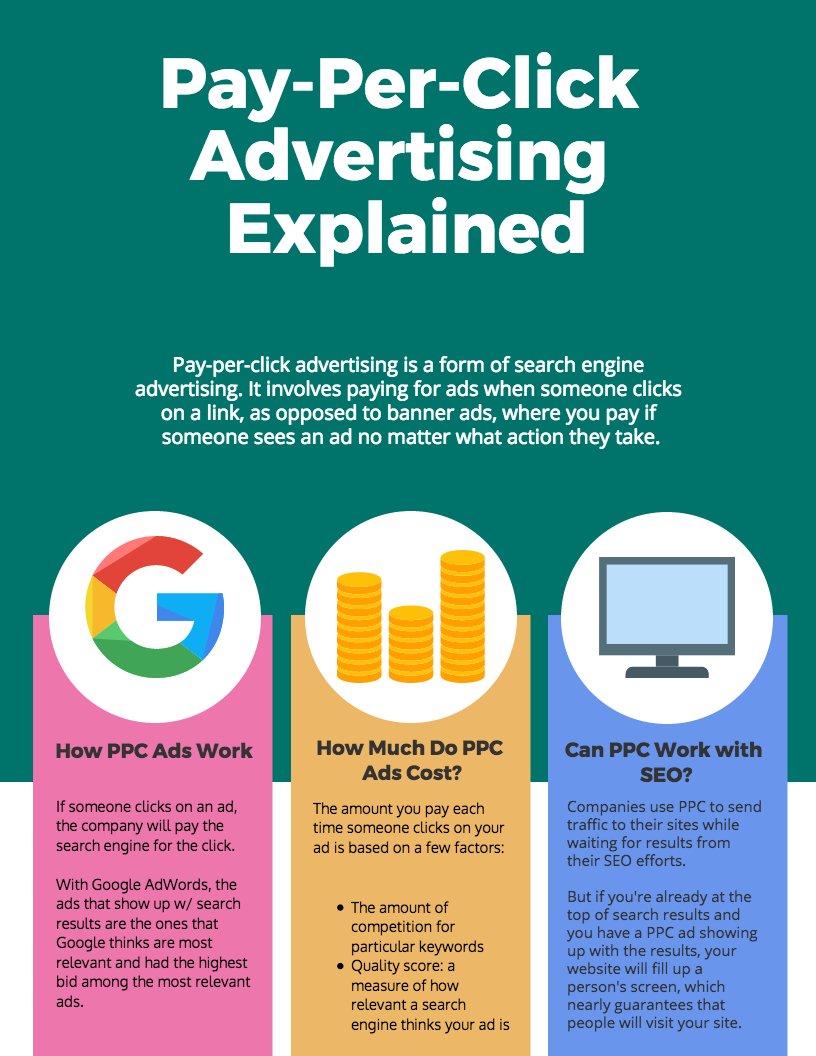
PPC allows advertisers to pay a fee every time their ad is clicked, meaning you only pay for actual visitors. Unlike SEO, which takes time, PPC provides immediate traffic and precise targeting.
In short: PPC = Paid traffic that drives results instantly.
What Does PPC Mean?
PPC (Pay-Per-Click) is a digital advertising model where advertisers bid for ad placement on search engines, social media platforms, or other websites.
How it works:
- Choose keywords relevant to your product/service.
- Create compelling ads targeting those keywords.
- Advertise on platforms like Google, Bing, Facebook, or LinkedIn.
- Pay only when someone clicks your ad.
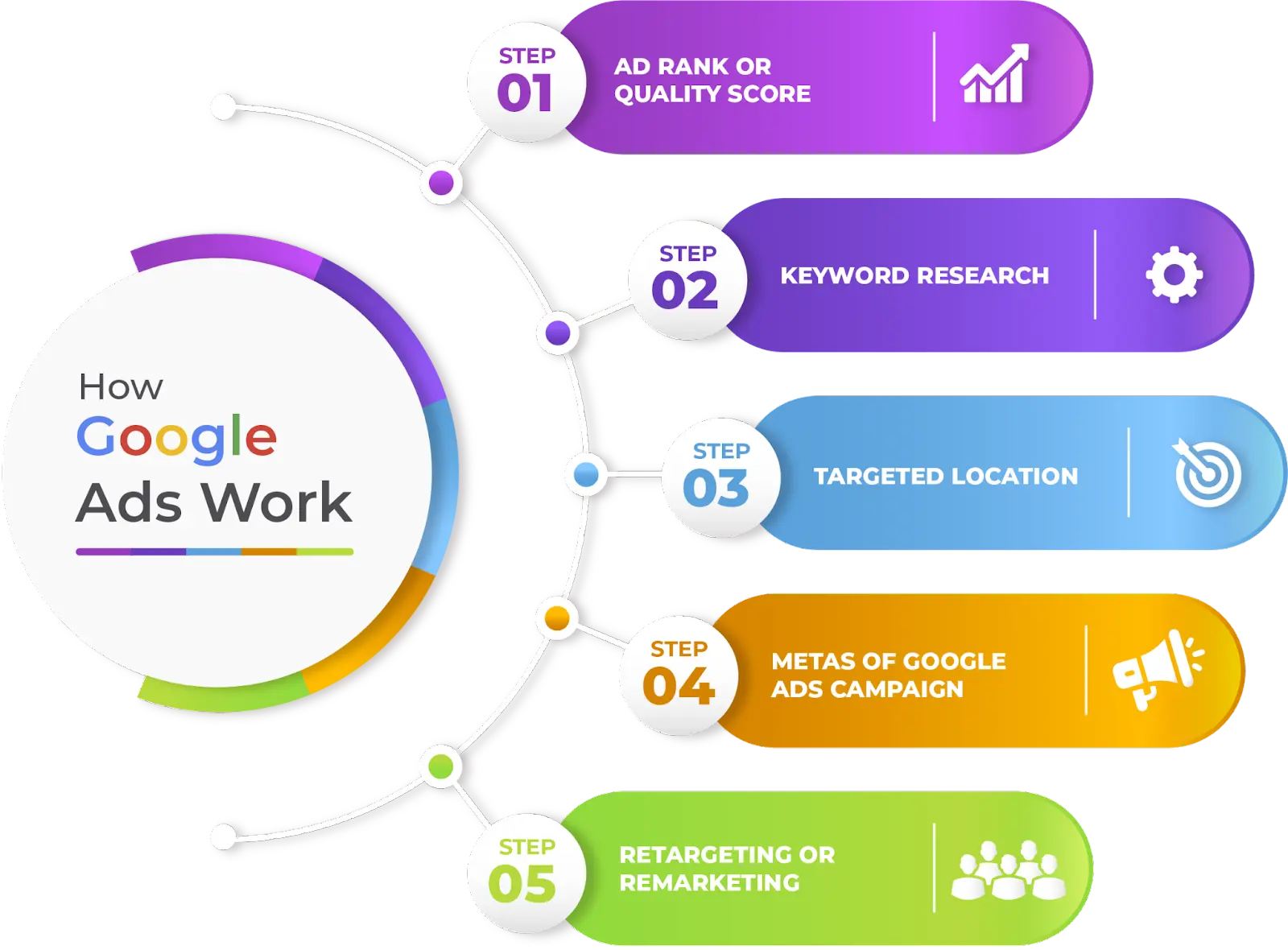
How PPC Works: Step-by-Step
1️⃣ Keyword Research
Advertisers select high-intent keywords that potential customers are likely to search for.
2️⃣ Bidding System
PPC platforms use auction-based models, where advertisers bid on keywords. Higher bids + high-quality ads = better ad placement.
3️⃣ Ad Quality Score
Search engines evaluate:
- Relevance of ad copy
- Landing page experience
- CTR (Click-through rate)
High-quality ads may rank higher at a lower cost.
4️⃣ Ad Display & Tracking
Once live, ads are shown to users based on search intent or audience targeting. PPC platforms provide detailed analytics for tracking clicks, conversions, and ROI.
Benefits of PPC Marketing
PPC is highly effective for businesses of all sizes.
Key Benefits:
- ✅ Instant Visibility: Appear on top of search results immediately.
- ✅ Highly Targeted: Reach people based on location, interests, device, and demographics.
- ✅ Cost Control: Set daily/monthly budgets.
- ✅ Measurable ROI: Track clicks, leads, and conversions.
- ✅ Brand Awareness: Even clicks not converting help build brand visibility.
📊 Fact: Google Ads PPC drives 65% more clicks than organic results for high-intent queries.
Types of PPC Ads
1. Search Ads
Appear on search engine results pages (SERPs).
- Example: Google Ads for “buy running shoes online”
2. Display Ads
Shown on websites in the Google Display Network or other ad networks.
- Example: Banner ads on popular blogs
3. Social Media Ads
Ads on platforms like Facebook, Instagram, LinkedIn, TikTok.
- Example: Instagram sponsored posts
4. Shopping Ads
Show product images, prices, and details directly in search results.
- Example: Google Shopping Ads
5. Remarketing Ads
Target users who visited your site but didn’t convert.
- Example: Facebook or Google remarketing campaigns
PPC vs SEO: Key Differences
| Factor | PPC | SEO |
|---|---|---|
| Cost | Pay per click | Free (organic) |
| Time for results | Immediate | Months |
| Traffic | Paid targeted visitors | Organic, long-term |
| ROI | Short-term measurable | Long-term sustainable |
| Visibility | Top of SERPs for paid keywords | Depends on ranking |
Best strategy: Combine PPC + SEO for maximum visibility.
How Much Does PPC Cost?
PPC cost depends on:
- Keyword competition
- Industry
- Location targeting
- Ad quality
CPC (Cost-per-click) ranges from a few cents to hundreds of dollars in competitive niches.
💡 Pro Tip: High-quality ads with better relevance and CTR reduce CPC.
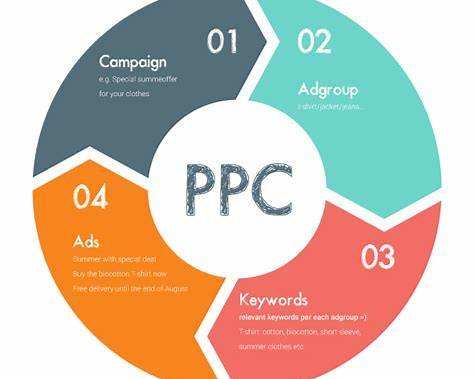
PPC Campaign Structure
1. Campaigns
Define business objectives (Sales, Leads, Traffic, Brand Awareness).
2. Ad Groups
Group similar keywords and ads for better targeting.
3. Keywords
Focus on high-intent and relevant keywords.
4. Ads
Create compelling ad copies and landing pages.
5. Tracking
Use analytics to track performance and optimize ROI.
Top PPC Platforms (2026)
- Google Ads – Search & Display Ads
- Microsoft Advertising (Bing Ads)
- Facebook & Instagram Ads
- LinkedIn Ads – B2B targeting
- TikTok Ads – Video ads for younger audiences
- Amazon Ads – Product-focused PPC
Common PPC Mistakes to Avoid
❌ Ignoring keyword research
❌ Poor landing page experience
❌ Not using negative keywords
❌ Overlooking ad copy optimization
❌ Ignoring remarketing campaigns
❌ Failing to track conversions
Advanced PPC Tips (2026)
- Leverage AI tools for bidding and audience targeting
- Use Smart campaigns for automation
- Integrate PPC + SEO data for better strategy
- Focus on mobile-first ads
- Monitor Quality Score closely
Future of PPC (2026 & Beyond)
- AI-driven bidding and audience targeting
- Automation in ad creation & testing
- Voice search PPC optimization
- Integration with multi-channel marketing
- Predictive analytics for ROI forecasting
Final Thoughts
PPC marketing is fast, measurable, and highly targeted, making it an essential strategy for businesses in 2026.
While SEO is long-term, PPC delivers instant visibility, precise targeting, and strong ROI when managed properly.
PPC + SEO = the ultimate digital marketing power combo.
FAQs – PPC Marketing
Q1. What is PPC in digital marketing?
PPC is a paid advertising model where advertisers pay a fee every time their ad is clicked.
Q2. Is PPC expensive?
Cost depends on keywords, industry, and quality score. Proper management ensures ROI.
Q3. Can beginners do PPC?
Yes, with the right tools, tutorials, and strategy, beginners can run effective campaigns.
Q4. Which platform is best for PPC?
Google Ads is the most popular, but Facebook, LinkedIn, TikTok, and Amazon Ads also work depending on your audience.
Read Also: How To Succeed In Google Discover: The Ultimate SEO Guide (2026)
Read Also: What Is SEO – Search Engine Optimization? 2026

Soocialhaus is an online media publication dedicated to reporting on the Advertising and Marketing Landscape across Internet in the Social Media World.