
Introduction: Why Understanding Search Engines Matters Today
Search engines websites are the front doors of the internet. Every time someone searches for a product, service, question, idea, or review — a search engine decides which websites appear and in what order.
Whether you’re a business owner, blogger, marketer, or student, understanding how search engines work is the key to getting your ideas discovered.
But the search landscape is changing rapidly. With AI-powered systems reshaping how people find information, traditional SEO is evolving — and websites must adapt. This guide explains everything in a clear, practical, and modern way.
What Is a Search Engine Website?
A search engine website is a digital platform that allows users to type queries and receive results (webpages, images, videos, news, maps, products). Behind the scenes, search engines use complex software systems to:
- Discover new content
- Store it in massive databases
- Evaluate its relevance
- Rank it based on hundreds of factors
But all of this begins with a simple search bar.
Examples include:
- Bing
- Yahoo
- Yandex
- Baidu
- DuckDuckGo
- Ecosia
- AI-based engines like Perplexity & You.com
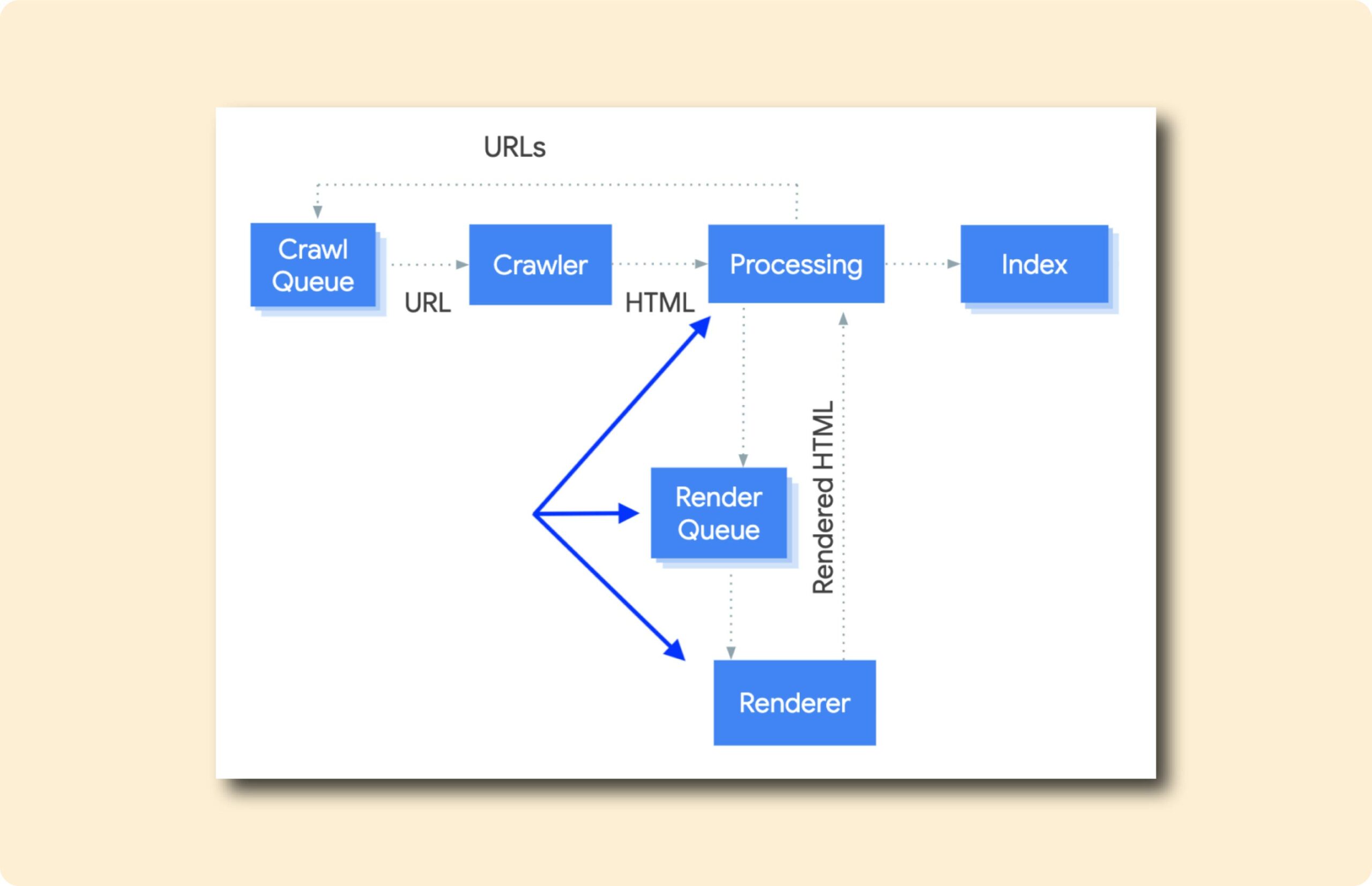
How Search Engines Work (Explained Simply)
Let’s break the functioning of search engines into the core pillars.


4
1️⃣ Crawling — Discovering Content
Special bots (also called spiders or crawlers) travel across the internet following links and sitemaps to discover webpages.
They check:
- Page URL
- Content
- Links
- Media
- Metadata
- Technical factors
If your site blocks crawling or loads slowly, search engines may ignore you.
2️⃣ Indexing — Storing & Understanding the Page
Once discovered, the content is analyzed and stored in a huge index (like a digital library).
Indexing involves understanding:
- Keywords
- Page structure
- Entities (people, places, brands)
- Topic meaning
- Freshness
- Media
- Schema markup
If your content is not indexed, it can never appear in search results.
3️⃣ Ranking — Deciding Which Page Comes First
When a user types a query, the search engine selects the most relevant, useful, and authoritative pages from its index.
Ranking considers more than 200+ signals:
Core Ranking Factors
- Relevance
- Search intent match
- Content depth
- Page authority
- Backlinks
- Technical health
- Page speed & UX
- Mobile friendliness
- Structured data
- Freshness
- User engagement
Search engines evaluate all of these in milliseconds.
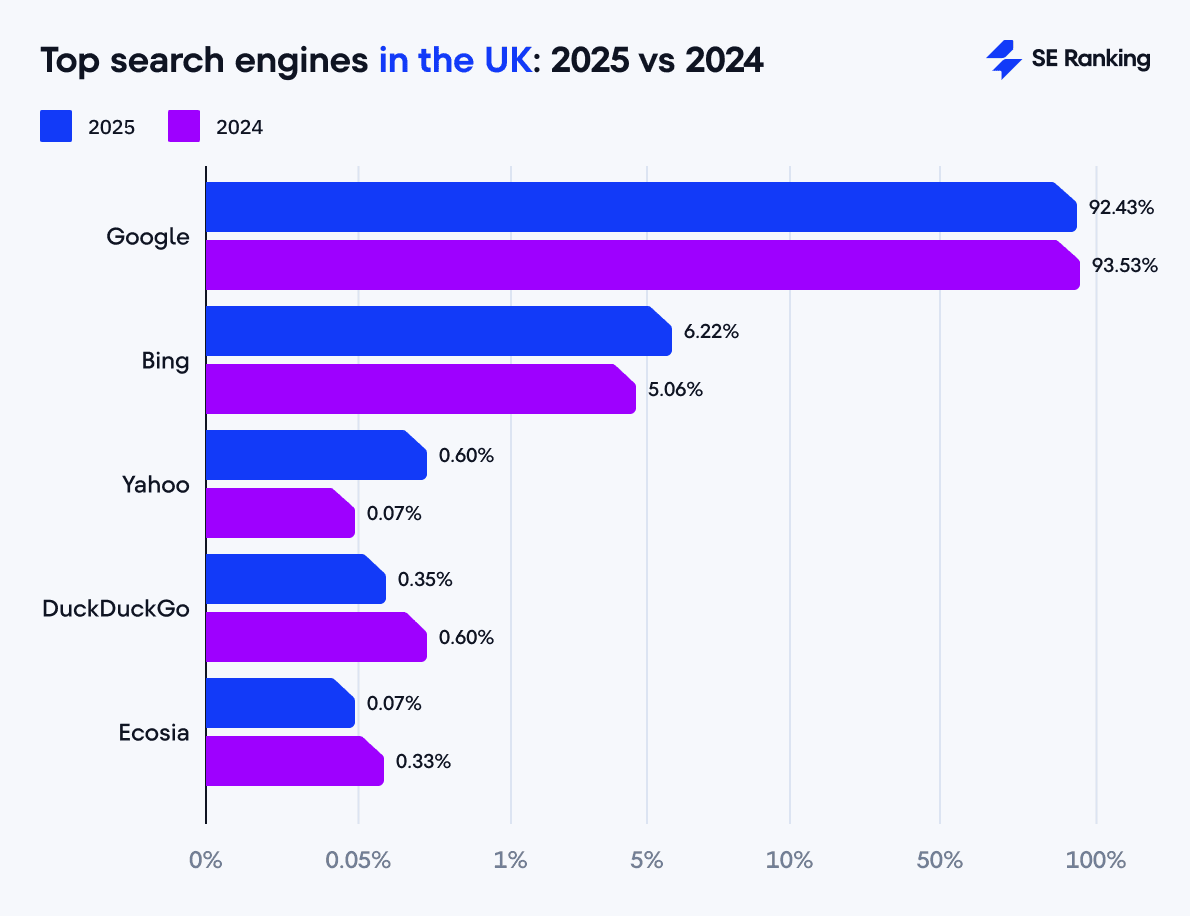
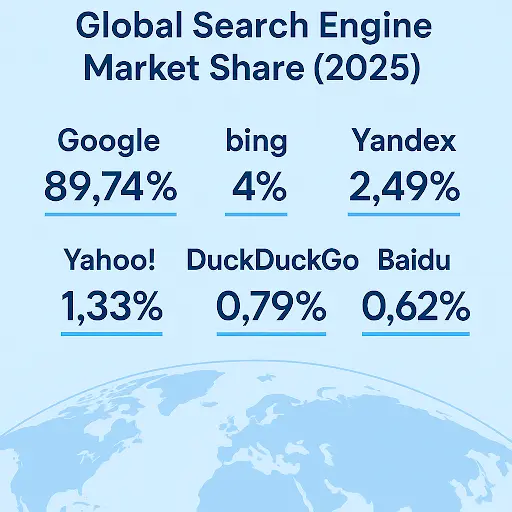
Top Search Engines Websites in 2025 (Comparison Table)

4
Below is a table comparing the most used search engines globally.
Top Search Engines in 2025
| Search Engine | Market Share (Approx.) | Best For | Unique Feature |
|---|---|---|---|
| 90%+ | All types of searches | Most advanced ranking algorithms | |
| Bing | 3–4% | Business & desktop users | Integrates with ChatGPT, Copilot |
| Yahoo | 1.5–2% | News & email ecosystem | Powered by Bing search |
| Baidu | China | Local Chinese searches | Strong AI-language models for Chinese content |
| Yandex | Russia & Eastern Europe | Local Cyrillic searches | Great local search for Russian language |
| DuckDuckGo | Privacy-focused users | Anonymous searching | No tracking or user profiling |
| Ecosia | Eco-conscious users | Sustainable browsing | Profits used to plant trees |
| You.com / Perplexity | AI search | Conversational answers | AI-generated results & summaries |
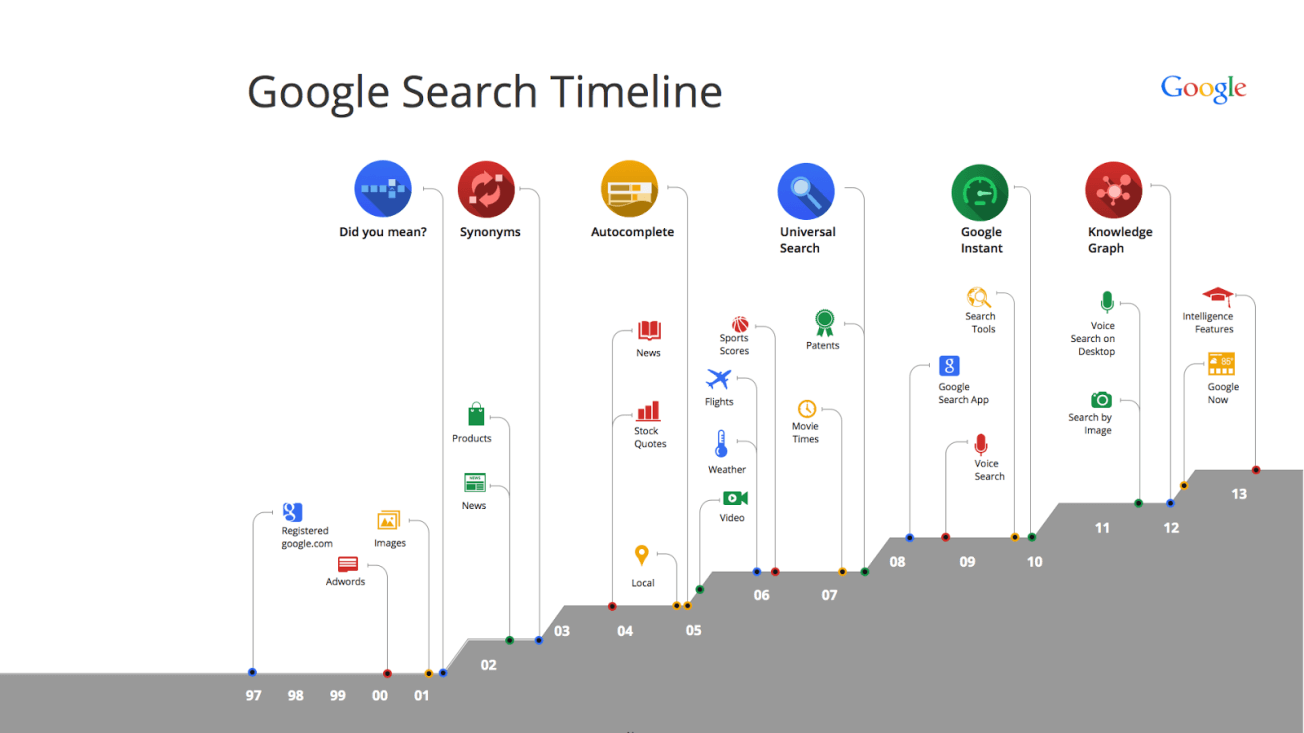
The Evolution of Search Engines (1990 → 2025)


4
Search engines have evolved dramatically:
- 1990s: Yahoo, AltaVista, Lycos — directory-style search
- 2000s: Google dominates with PageRank
- 2010s: Mobile-first & rich results (featured snippets, knowledge panels)
- 2020s: AI summaries, conversational search, zero-click answers
Today, AI-powered search systems like Google SGE, Bing AI, and Perplexity are transforming how users interact with information.
How AI Is Changing Search Engines in 2025
AI has reshaped search more in the last two years than in the previous decade.
Biggest Changes
- Answers shown directly instead of sending traffic to websites
- Conversational interfaces (chat-style search)
- AI-generated summaries replace traditional snippets
- Users trust AI agents for quick insights
- Multi-step reasoning (e.g., planning, researching, summarizing)
This means SEO must adapt by focusing on:
- Deeper expertise
- Trust-building
- Authority signals
- Better structure
- More visuals
- Unique insights
- First-hand experience content
Ranking Signals Search Engines Care About Today
1. Relevance & Intent
Does your content match exactly what the user wants?
2. Topical Authority
Do you consistently publish around a topic?
3. Backlinks & Mentions
Are other trusted sites referencing you?
4. Page Experience
Includes:
- Core Web Vitals
- Mobile UX
- Load time
5. Structured Data (Schema)
Helps search engines understand your page better.
6. Content Quality
Depth, clarity, originality, first-hand experience.
7. Engagement Signals
Higher dwell time = higher trust.
YouTube Earnings Per 1000 Views in 2025 | Updated CPM & RPM Guide
How to Optimize for Search Engines (Ultimate Checklist)
Here’s a practical checklist you can apply right now:
✔ Create content tailored to exact search intent
✔ Use clear, simple headings
✔ Add structured data (FAQ, How-To, Article)
✔ Improve page speed
✔ Use high-quality original images
✔ Add internal links across related topics
✔ Use external sources to strengthen authority
✔ Update content every 3–6 months
✔ Add FAQs to earn more SERP real estate
✔ Use tables, comparison blocks, and visuals
✔ Reduce thin content and fluff
Table: Types of Search Engines
Search Engine Categories
| Category | Examples | Best For |
|---|---|---|
| General Search Engines | Google, Bing, Yahoo | Everyday searches |
| Private Search Engines | DuckDuckGo, StartPage | Privacy-focused users |
| Regional Search Engines | Yandex, Baidu, Naver | Local markets |
| Vertical Search Engines | YouTube, Amazon, Booking.com | Videos, products, travel |
| AI Search Engines | Perplexity, You.com | Conversational AI answers |
Choosing the Right Search Engine (Based on Your Need)
For Business Research: Google, Bing
For Privacy: DuckDuckGo
For Shopping: Amazon (vertical engine)
For Videos & Learning: YouTube
For AI-powered instant summaries: Perplexity, You.com
For China: Baidu
For Russia: Yandex
Why Some Websites Rank Higher Than Others
High-ranking sites excel at:
- Matching search intent
- Providing deeper information
- Updating regularly
- Building trust through authority
- Using structured content
- Creating visually rich, engaging pages
- Gaining links naturally
- Having better overall UX
Your website can compete if you follow these same principles.
Real Example: Page Structure That Ranks Better
Here’s a structure proven to improve SEO performance:
1. Clear H1
“Search Engines Websites: How They Work & Types Explained”
2. Hook paragraph
Explain the problem and solution quickly.
3. Visual explanation
Diagrams, tables, comparison charts.
4. In-depth sections
Break down concepts into simple blocks.
5. FAQs
Capture long-tail queries.
6. CTA
Invite users to learn more or explore related topics.
FAQs (Structured Data Ready)
1. What is a search engine website?
A search engine website is a platform where users can enter queries and receive ranked answers from a massive index of webpages, images, videos, and data.
2. How do search engines rank websites?
They evaluate relevance, content depth, UX, backlinks, authority, and hundreds of additional signals using complex algorithms.
3. Which search engine is best?
For general use, Google.
For privacy, DuckDuckGo.
For AI-powered answers, Perplexity & You.com.
4. How can I make my website appear on search engines?
Ensure your site is crawlable, submit a sitemap, publish high-quality content, build authority, and follow SEO best practices.
5. Is AI replacing search engines?
Not replacing — but heavily transforming them. AI search tools are being integrated into traditional search engines and changing how users find answers.
Conclusion
Search engines are the backbone of how people discover information online. Understanding how they crawl, index, and rank websites empowers you to build a strong presence on the web — especially in an era where AI search is rewriting the rules.
Whether you’re creating a website, publishing content, or running a business, mastering search engines is essential in 2025 and beyond.
Know More: What are Search Engines?

Soocialhaus is an online media publication dedicated to reporting on the Advertising and Marketing Landscape across Internet in the Social Media World.