
How to Prove & Grow B2B Social Media ROI in 2026 (Step-by-Step Guide)
Social media has become a critical revenue-driving channel for B2B marketers—but one question still dominates boardrooms and client meetings:
“What’s the ROI?”
Likes and followers aren’t enough anymore. Decision-makers want clear proof of impact on pipeline, leads, and revenue.
In this guide, you’ll learn:
- What B2B social media ROI actually means
- How to measure it step-by-step
- The biggest challenges B2B brands face—and how to overcome them
- Proven ways to grow social ROI long-term
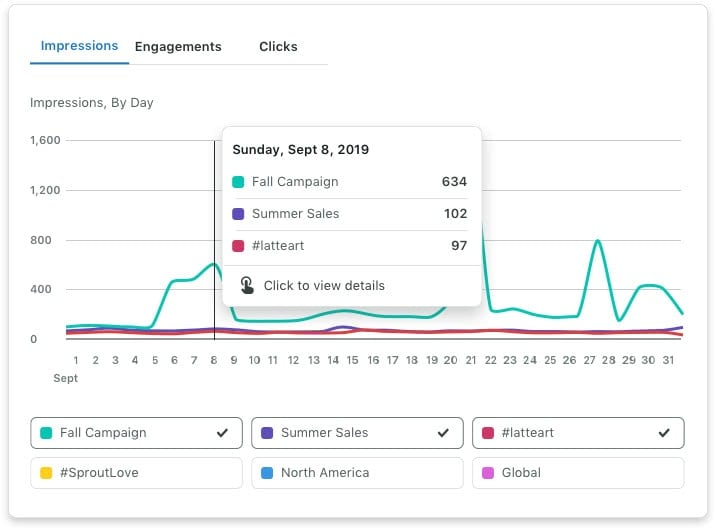
What Is B2B Marketing ROI?
B2B marketing ROI measures how much revenue your marketing efforts generate compared to how much you spend.
Simple ROI Formula
ROI = (Revenue from Marketing – Marketing Cost) ÷ Marketing Cost × 100
Why B2B ROI Is Harder to Measure
Unlike B2C, B2B marketing involves:
- Long sales cycles (months, not days)
- Multiple decision-makers
- Several touchpoints (social → website → email → sales calls)
That’s why tracking ROI from social media requires better attribution, smarter KPIs, and patience.
How to Measure B2B Social Media ROI in 5 Steps
1. Focus on the Right Metrics (Not Vanity Metrics)
To prove ROI, your metrics must tie back to business outcomes.
Key B2B Social Media KPIs
Clicks
- Website visits
- Whitepaper downloads
- Webinar registrations
- Demo requests
👉 Track what happens after the click using Google Analytics, UTMs, and CRM data.
Engagement (Interactions)
- Comments
- Shares
- Mentions
- Saves
These signal:
- Content relevance
- Brand trust
- Buying intent
- Customer sentiment
High engagement often correlates with better lead quality.
Share of Voice
Share of voice shows:
- How often your brand is mentioned vs competitors
- Whether conversations are positive, neutral, or negative
This is especially powerful for brand authority and category leadership in B2B.
2. Compare Social Media With Other Marketing Channels
Never measure social media in isolation.
Compare:
- Social vs Email
- Social vs SEO
- Social vs Paid Search
Key questions to answer:
- Which channel brings higher-quality leads?
- Which converts better over time?
- Which content drives the most engagement and assisted conversions?
Social traffic often converts later, but influences decisions earlier in the funnel.
3. Set Clear Performance Benchmarks
You can’t improve what you don’t benchmark.
Examples:
- Average engagement rate
- Cost per lead from social
- Conversion rate of social traffic
- Assisted revenue from social
Without benchmarks:
- “1,000 clicks” means nothing
- “5% engagement” has no context
Track performance month-over-month and campaign-over-campaign.
4. Publish Content That Works for B2B Buyers
Content quality is the biggest ROI lever.
High-performing B2B content formats:
- Thought leadership posts
- Original research & data reports
- Short educational videos
- Case studies
- Polls and industry questions
- Webinars & live sessions
👉 Content that educates, not sells, performs best in B2B social.
5. Use Paid Social & Creative Testing
Organic reach alone is no longer enough.
Paid social helps you:
- Attribute conversions directly
- Test creatives faster
- Retarget high-intent audiences
- Scale winning content
Even small budgets can:
- Validate messaging
- Lower cost per lead
- Increase pipeline contribution
Compare organic vs paid performance to find scale opportunities.
The 3 Biggest Challenges in Measuring B2B Social Media ROI (and Solutions)
Challenge #1: Social Is Top-of-Funnel
Social rarely drives instant sales.
Solution: Connect Social Metrics to Revenue Data
- Use UTM parameters
- Track assisted conversions
- Measure lead-to-opportunity influence
- Align social data with CRM insights
Remember:
👉 Social influence ≠ immediate conversion, but it drives future revenue.
Challenge #2: Stakeholders Don’t “Get” Social Media
Executives often ask:
“How does this turn into money?”
Solution: Present Data in Business Context
- Show how social supports launches, pipeline, and demand generation
- Tie engagement to lead growth
- Show trends, not just snapshots
Clear reporting = easier buy-in.
Challenge #3: Social Media Works in Silos
Social can’t succeed alone.
Solution: Cross-Team Alignment
- Sync with sales, content, and performance teams
- Share dashboards and reports
- Align goals with company-wide KPIs
When teams collaborate, ROI compounds.
How Do You Measure Your B2B Social Media ROI?
To truly measure ROI, you need:
- Clear goals
- Proper tracking
- Full-funnel analytics
- Consistent reporting
Social media isn’t just a brand channel anymore—it’s a revenue influencer.
The better your data, the easier it is to:
- Prove impact
- Optimize campaigns
- Secure bigger budgets
- Drive long-term growth
Final Takeaway
B2B social media ROI isn’t about likes—it’s about leads, influence, and revenue.
If you:
- Track the right KPIs
- Connect social to business outcomes
- Optimize content and paid strategy
- Communicate results clearly
👉 Social media becomes one of your strongest B2B growth channels.
B2B Social Media ROI – Questions & Answers (Q&A)
Q1. What is B2B social media ROI?
Answer:
B2B social media ROI measures how much revenue or business value your company generates from social media compared to the cost invested. It includes leads, pipeline influence, conversions, and assisted sales—not just likes or followers.
Q2. Why is measuring B2B social media ROI difficult?
Answer:
B2B social media ROI is harder to measure because B2B sales cycles are long, involve multiple decision-makers, and require several touchpoints before conversion. Social media often influences decisions rather than driving instant sales.
Q3. Which metrics matter most for B2B social media ROI?
Answer:
The most important B2B social media ROI metrics include:
- Website clicks and traffic
- Lead generation and conversions
- Engagement (comments, shares, mentions)
- Share of voice vs competitors
- Assisted conversions and pipeline impact
Q4. Are likes and followers important for B2B ROI?
Answer:
Likes and followers alone do not prove ROI. However, when combined with engagement, clicks, and lead data, they help indicate brand awareness, trust, and early-stage buying intent.
Q5. How do you track B2B social media ROI accurately?
Answer:
You can track B2B social media ROI by:
- Using UTM parameters on social links
- Tracking goals in Google Analytics
- Connecting social traffic to CRM data
- Measuring assisted conversions
- Comparing social performance with other channels like email and SEO
Q6. How long does it take to see ROI from B2B social media?
Answer:
B2B social media ROI typically takes weeks or months to materialize. Social media plays a long-term role in nurturing leads, building trust, and influencing buying decisions over time.
Q7. Does paid social improve B2B ROI?
Answer:
Yes. Paid social improves B2B ROI by allowing precise targeting, faster testing, retargeting high-intent users, and directly attributing conversions such as demo requests, downloads, and sign-ups.
Q8. How can B2B companies increase social media ROI?
Answer:
B2B companies can increase social media ROI by:
- Publishing thought leadership content
- Sharing original research and insights
- Using short educational videos
- Running retargeting ads
- Aligning social strategy with sales and marketing teams
Q9. How do you explain social media ROI to stakeholders?
Answer:
Explain social media ROI by connecting metrics to business outcomes—such as lead growth, pipeline contribution, brand authority, and assisted revenue—rather than focusing on vanity metrics.
Q10. Is social media worth it for B2B companies?
Answer:
Yes. When measured correctly, social media is a high-impact B2B channel that supports demand generation, brand trust, lead nurturing, and revenue growth.
Q11. What tools help measure B2B social media ROI?
Answer:
Popular tools include:
- Google Analytics
- CRM platforms (HubSpot, Salesforce)
- Social analytics tools
- UTM tracking tools
- Full-funnel reporting dashboards
Q12. What is the biggest mistake B2B marketers make with social ROI?
Answer:
The biggest mistake is measuring social media in isolation instead of connecting it to the full customer journey and business revenue.
Read Also: Best Time to Post on Instagram in 2026

Vishal Parihar is a Full Stack Digital Marketer and Co-Founder of Soocialhaus.in with over 5 years of hands-on experience in digital marketing. He specializes in SEO, Google Ads, social media marketing, content strategy, performance marketing, and brand growth. Vishal has helped startups, entrepreneurs, and established businesses improve their online visibility, generate quality leads, and scale revenue through data-driven and ROI-focused marketing strategies. At Soocialhaus, he leads growth campaigns, marketing automation, and conversion optimization projects for clients across multiple industries.